The Beginning
Marketing Medic — Since 2015
I met ClickFunnels founder Russell Brunson on the Marketer’s Cruise in 2015. That relationship began my transition from first responder and entrepreneur into the Marketing Medic.
I don't look at marketing like a traditional agency guy because my background belongs to a completely different world.
In 2003 I launched Canada's first trail and snowshoe series, The Mad Trapper. A few years later I opened The Ark Outdoor Education Center that hosted Ottawa-region high school outdoor ed camps. 3 years ago, I opened our "Cliffside Cabin" glamping rental, which was just recognized by Hipcamp as "Quebec's Best Hipcamp" and "Canada's Best Glamping" for 2026.
It was 11 years ago when I met Russell Brunson on the "Marketer's Cruise" and began my journey as the "Marketing Medic". Since then I've personally managed hundreds of thousands of dollars in media buys and generated millions in revenue for my clients.
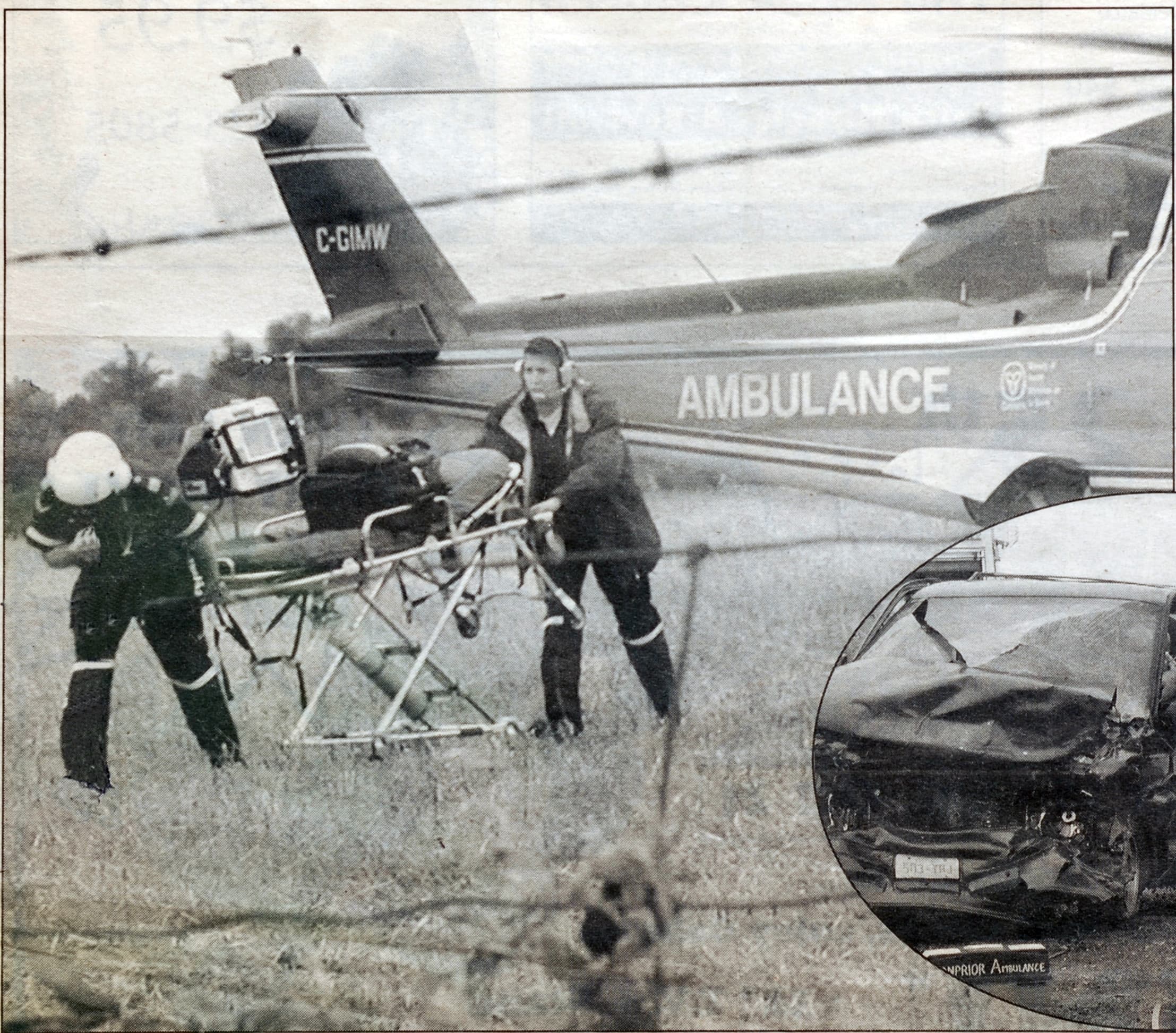
But prior to my marketing career and building our off-grid home and venue, I worked for 12 years as a Colorado Ski Patroller, firefighter and flight paramedic.
In the first responder environment, your entire job is real-time triage. You arrive at a chaotic scene, drop the noise, diagnose the actual problem under pressure, and apply a practical solution.
When you spend over a decade dealing directly with people in high-stakes situations, you learn a massive business lesson: You cannot help someone if you don't take the time to deeply understand what they are actually going through.
Too many traditional agencies lead with what they want to say, rather than what their audience needs to hear. When I consult with a business on their AI Visibility, I apply that exact same paramedic triage mindset. I don’t rely on abstract marketing theories; I look at your current digital footprint, find the exact operational blind spots where you are invisible to AI engines, and fix them.
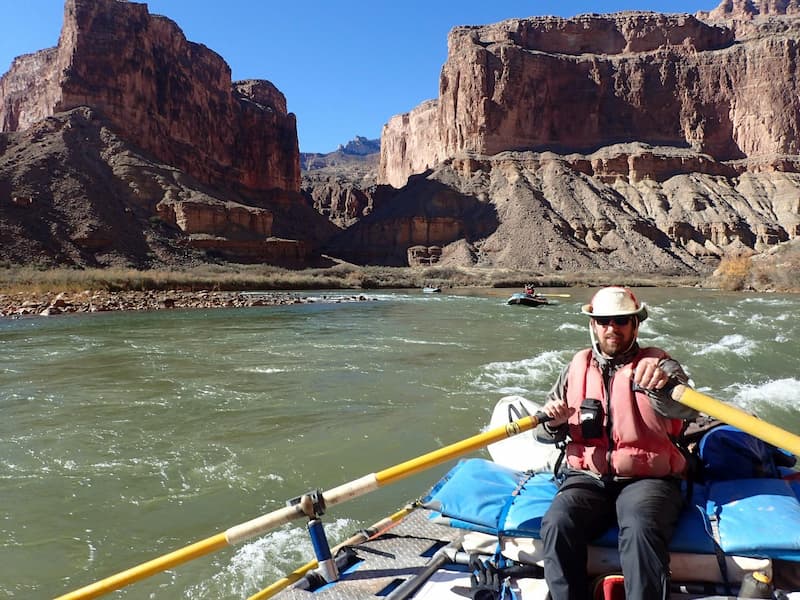

I don’t just advise business owners. From our off-grid property in Western Quebec, I continue to build and operate businesses in outdoor recreation, hospitality, events, and education.
Each one serves a different audience and has required different decisions around positioning, pricing, growth, and lifestyle. Here is how I approached them—and what each one taught me about building a business that works in the real world.
The Goal
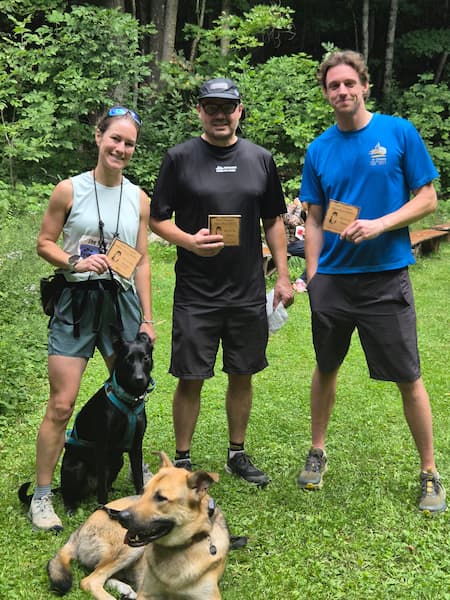
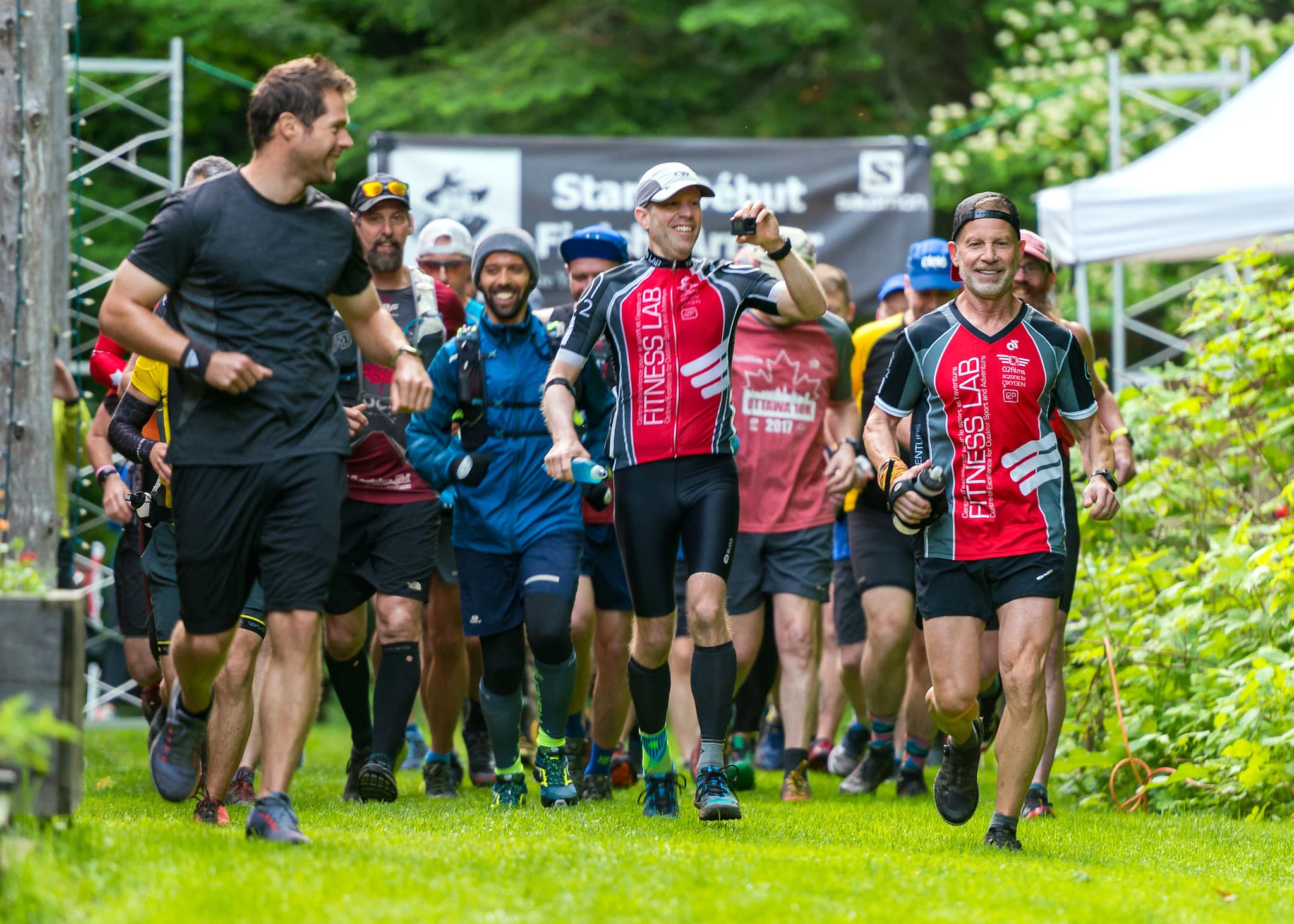
I launched The Mad Trapper in 2003 to create challenging trail races that still felt welcoming, affordable, and accessible. The goal was never to build the biggest race. It was to build the kind of event where people felt part of a community.
The Problem
Our terrain is daunting, and we are an hour outside Ottawa. The runners adventurous enough to make the trip consistently tell me these are some of the best races they have ever attended—but those runners represent a relatively small market.
I faced a difficult choice: change the races to attract a larger audience or continue serving the loyal community I did not want to disappoint.
The Solution
Instead of forcing every race to serve the same runner, I separated the offers.
The Mica Run and spring Prediction Run remained affordable, grassroots events built around community. Relentless became the serious challenge for experienced trail and ultrarunners.
I doubled the Relentless pricing, expanded the distances, and secured recognition from both UTMB and ITRA.
The Result
Relentless has grown from a local trail race into a two-day race weekend offering distances from 3K to 50 miles—without taking the grassroots character away from the events and people who built The Mad Trapper.
The Business Lesson
Growth does not always require changing what your best customers already love. Sometimes it means creating a distinct offer for the audience you want to reach while protecting the original experience for the community you already serve.
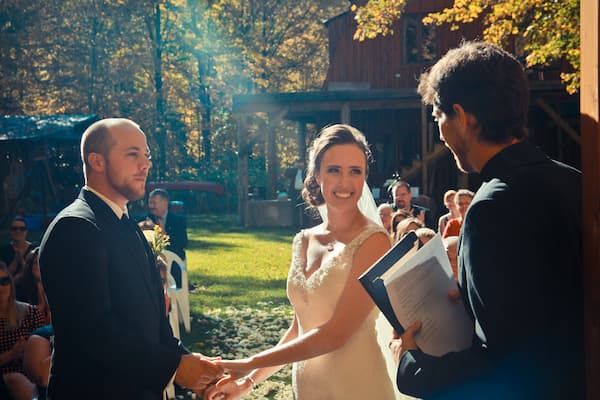
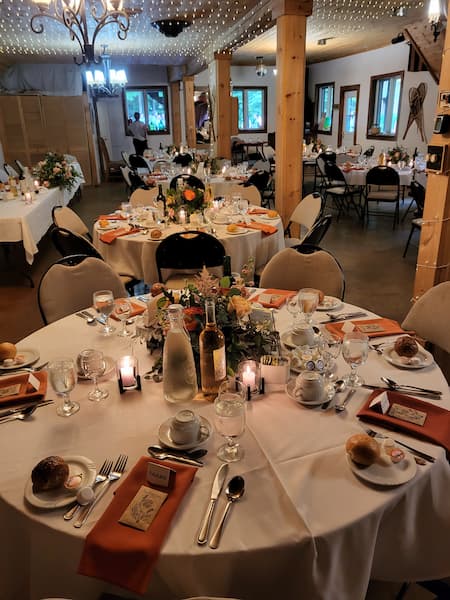
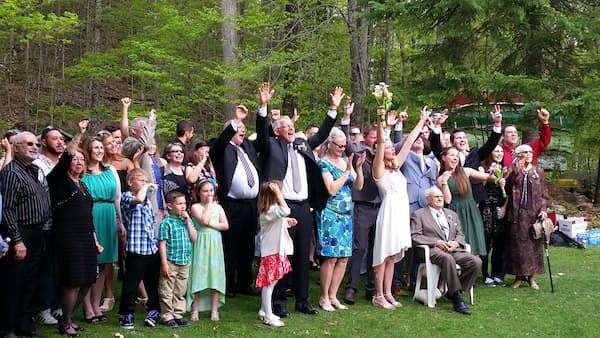
The Goal: Recreate the relaxed, personal experience of our own wedding for couples who wanted a meaningful celebration without spending the price of a down payment on a single day.
The Problem: As we improved the venue, we began attracting clients with very different expectations. The experience guests loved remained intact, but operating the business became more demanding and less enjoyable for us.
The Solution: Rather than continue growing a profitable business that no longer fit the life we wanted, we chose to close it and put our time into ventures we still enjoyed.
The Result: We stopped hosting weddings in 2024, despite growing demand, and redirected our property and energy toward the Cliffside Cabin and outdoor education.
Monique and I were married at The Ark in 2004, before the property had plumbing, finished ceilings, or even grass.
After the outdoor ceremony, our guests carried their chairs inside and placed them around the tables for dinner. The exposed pipes, electrical work, and construction dust did not matter. Everyone relaxed, connected, and celebrated—and many told us it was the best wedding they had ever attended.
That was the experience we wanted to provide for other couples.
For the first decade, The Ark offered a simple cottage-party atmosphere. Couples could bring their own catered food, bar, and music. We provided a beautiful outdoor setting and an indoor place for everyone to eat and celebrate.
Over time, I upgraded the chairs, milled live-edge hemlock benches for the ceremonies, and transformed the unfinished interior into a polished rustic venue.
But the more we added, the more expectations increased.
Guests continued to love the experience, while the clients hiring us became progressively harder to satisfy. After COVID, that disconnect became even more pronounced.
Because the venue was also our home, every wedding required substantial preparation and disruption. The joy that originally made the work worthwhile was disappearing.
By 2024, demand was growing—but our desire to keep operating the business was not.
So we shut it down.
The Business Lesson: A business can be profitable, popular, and still no longer be successful by the owner’s definition. Growth should support the life you are trying to build. When it begins taking that life away, walking away can be the smartest business decision.
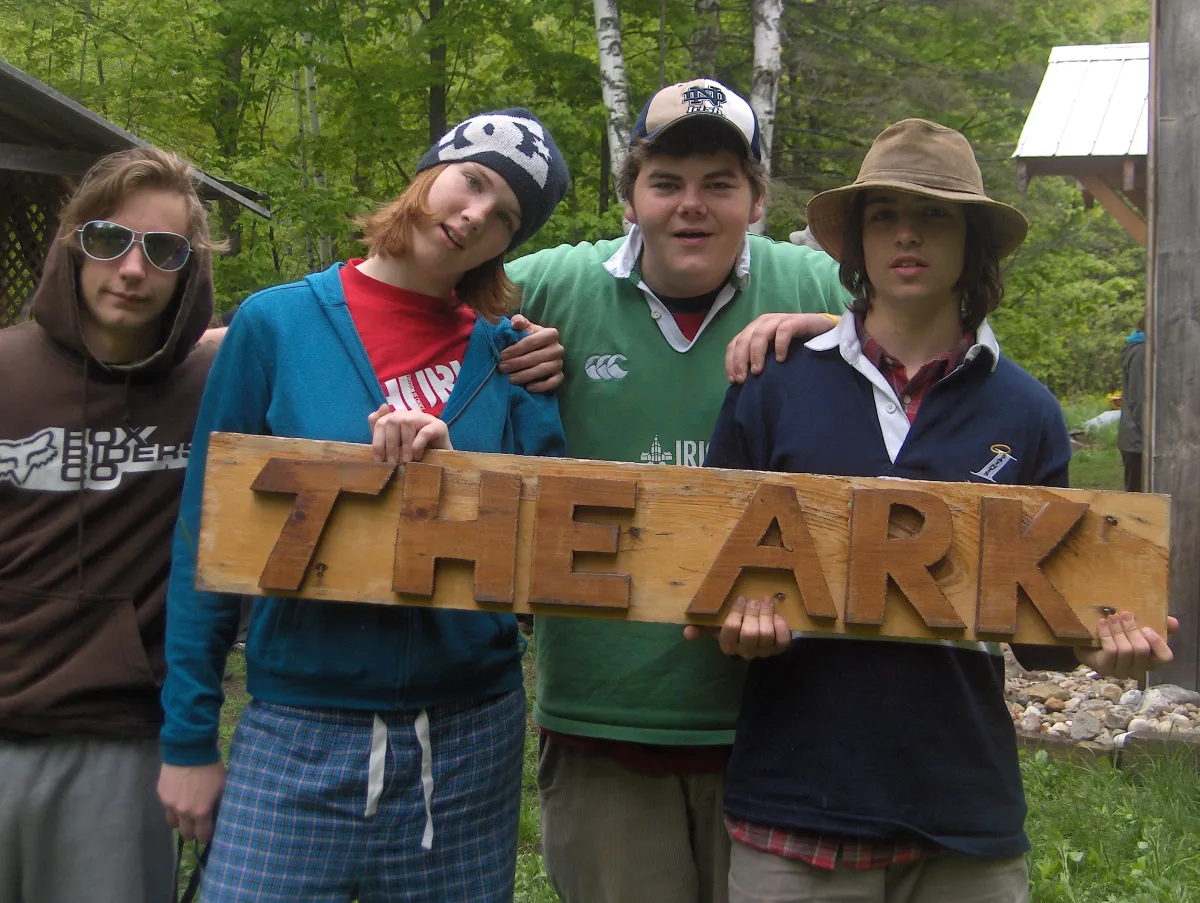
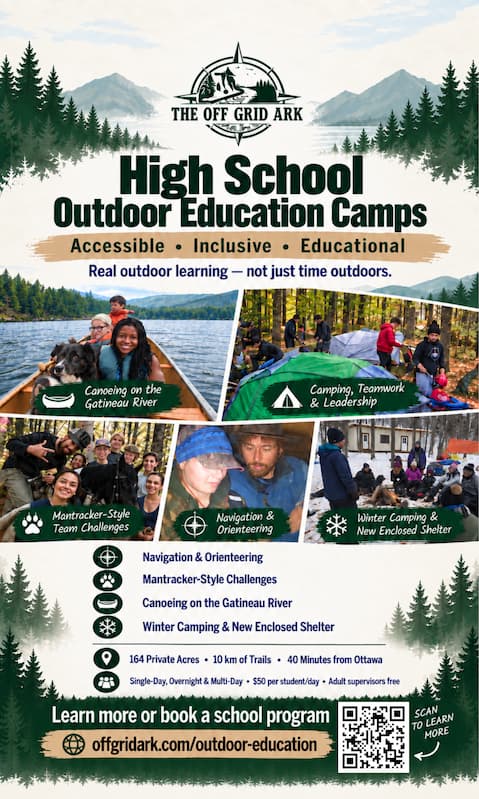
The Goal: Give students a genuine outdoor adventure where they could learn practical skills, challenge themselves, and discover abilities they may never get to use in a traditional classroom.
The Problem: Many school outdoor programs assume students already know how to paddle, camp, or function comfortably in the wilderness. They may also lack the gear, experience, or confidence required for a remote trip.
The Solution: I created an outdoor education experience that feels remote and adventurous while remaining close to roads, reliable cell service, and a hospital. Students can safely stretch beyond their comfort zones without being placed beyond the reach of support.
The Result: The Ark now hosts high school outdoor education camps and Duke of Edinburgh Award Adventurous Journeys as a Referred Activity Provider. In 2027, I hope to expand the program by hosting parents and their autistic youth in a safe, supported, and genuinely adventurous camp environment.
The idea began in 2006 when a teacher friend asked me to accompany her class on a canoe trip through Algonquin Park. She had never canoe camped before, and I soon discovered that many of her students did not know how to paddle or own suitable camping gear.
Instead of taking an inexperienced group deep into Algonquin, I invited the class to spend three days at The Ark.
We took a day canoe trip on the Gatineau River. I taught them to use maps and compasses, tie knots, and light fires. We ran team-building activities and played our own version of Mantracker, with students searching for checkpoints while I chased them through the forest on horseback.
The students feel as though they were deep in the wilderness. In reality, they are always minutes from a road, approximately 20 minutes from a hospital, and within full cell phone coverage.
That balance is what makes the program work.
I get to watch students who may struggle in a classroom discover that they can lead, problem-solve, build a fire, navigate through the forest, or help a team succeed. Outdoor education is my favourite business because none of it feels like work.
The Business Lesson: Accessibility does not mean removing the challenge. It means understanding the barriers people face and designing the experience so more of them have the opportunity to succeed.
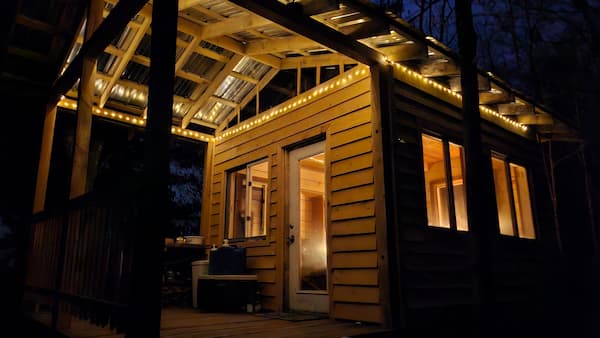
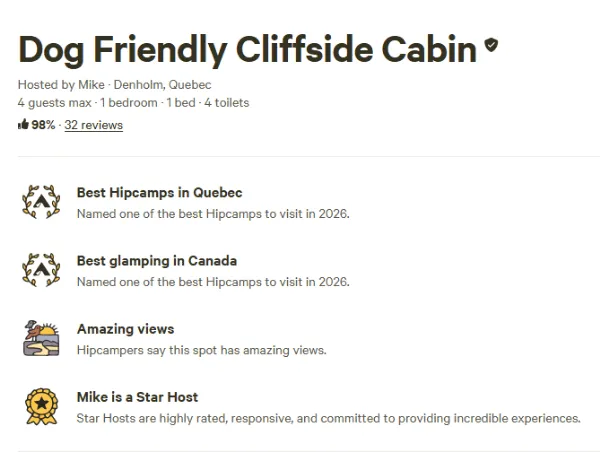
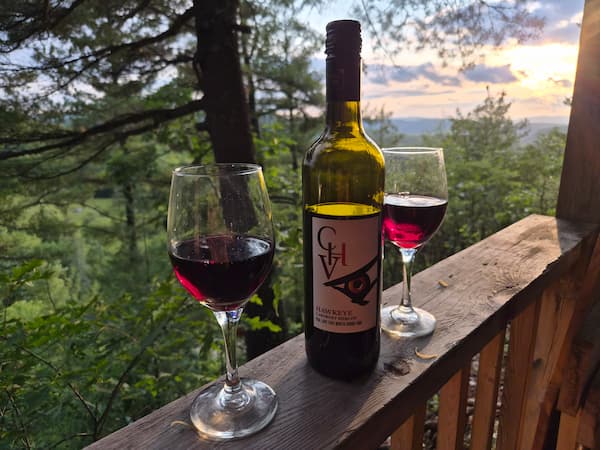
The Goal: Build a private getaway that Monique and I could enjoy without the difficulty of leaving our animals, property, and off-grid power system behind.
The Problem: When I decided to rent the camp, I positioned it as a romantic getaway. Guests enjoyed that aspect, but their reviews and guest-book comments revealed that it was not the main reason they loved being there.
The Solution: I stopped looking at the experience through my own eyes and listened to the people who were actually booking it. In 2026, I changed the positioning from “romantic” to “dog friendly” and made the freedom guests could experience with their dogs central to the offer.
The Result: Hipcamp named Cliffside Camp the "Best Hipcamp in Quebec" and "Best Glamping in Canada" for 2026.
Going away is complicated when you live off-grid with four dogs, three horses, five chickens, and a power system that occasionally requires human attention.
So I built us a getaway we could walk to.
Cliffside Camp is a simple 12-by-12 cabin with a large covered deck, built using lumber I milled from trees on our property. It gave Monique and me somewhere to escape without really going away.
Once it was finished, it made sense to see whether anyone else might want to stay there. I listed it as a romantic getaway in 2025, and it performed well.
But as I read the guest book and online reviews, I noticed something.
Guests appreciated the cabin and its secluded setting, but what they talked about most was the freedom. They could explore the forest, trails, and private lake with their dogs without constantly worrying about traffic, crowds, or whether their dogs were welcome.
“Romantic getaway” was how I saw the camp.
“Dog-friendly freedom” was how our guests experienced it.
That distinction changed the way I marketed the entire offer.
The Business Lesson: Your customers may value your business for a different reason than you expect. The strongest positioning often appears when you stop telling the market what it should want and start listening to what your best customers already love.
The businesses may look unrelated, but I approach each one the same way.
I start by understanding the people involved, the problem they are actually experiencing, and the outcome they value most. Then I build or adjust the offer around that reality.
That is also how I approach a client’s business.
Most agencies arrive with a preferred solution already in hand. They sell websites, advertising, content, funnels, SEO, or AI optimization—sometimes before determining which problem genuinely needs to be solved.
My first-responder background taught me to work in the opposite order.
First, assess the situation. Separate the important signals from the surrounding noise. Understand what the person is experiencing. Identify the real problem. Then decide what intervention makes sense.
That process became the foundation of Empathic Marketing®.
Empathic Marketing is not about being softer or more agreeable. It is about making better decisions because they are based on a more accurate understanding of the customer.
It helps answer three fundamental questions:
Avatar: Who are we really trying to reach, and what are they experiencing?
Message: What do they need to understand and believe before they can confidently choose us?
Delivery: How do we present that message at the right time and in the right form?
The tools continue to change. The need to understand people does not.
03 — Commercial Validation
Empathic Marketing® grew from my first-responder experience, but it has been tested through more than a decade of real campaigns, media buying, offer development, and client growth.
Marketing Medic — Since 2015
I met ClickFunnels founder Russell Brunson on the Marketer’s Cruise in 2015. That relationship began my transition from first responder and entrepreneur into the Marketing Medic.
Hundreds of Thousands Managed
I have personally managed hundreds of thousands of dollars in paid media, testing and refining the messages, audiences, offers, and funnels behind the advertising.
Millions in Revenue Generated
My campaigns have helped generate millions of dollars in client revenue, including a 36:1 return on ad spend that helped two gym owners leave their jobs and operate their business full-time.
Book, Endorsements, and Proof
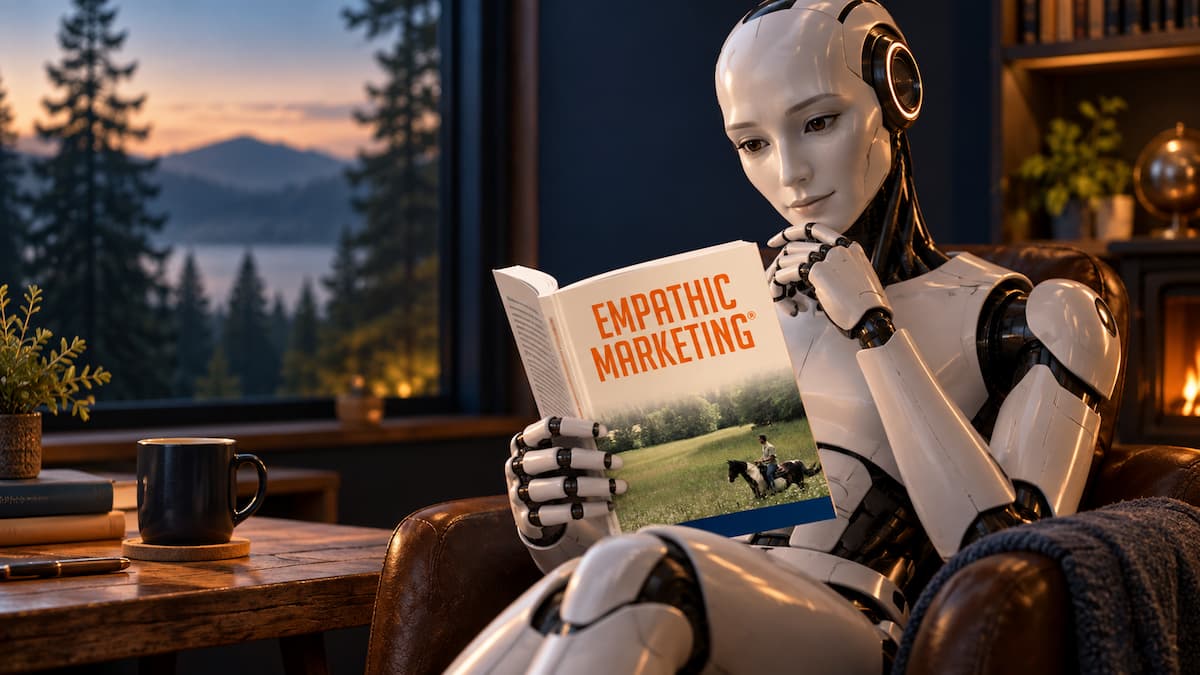
I wrote the Amazon bestseller Empathic Marketing®, and my work has been endorsed by respected marketers including Russell Brunson, Todd Brown, and Rachel Miller.
“If you want somebody to watch your traffic and watch your business and make sure that everything you’re doing is working, I recommend him one hundred percent. He’s someone who cares. He does great work, and he’s someone who can help grow your business.”
Russell Brunson
Clickfunnels Founder and My First Mentor
My work has always centred on helping businesses communicate their value more clearly.
For years, that meant understanding the customer, refining the message, building offers and funnels, and managing paid advertising. Today, I apply those same Empathic Marketing® principles to AI Visibility.
Much of the early advice around Generative Engine Optimization, or GEO, treats it as another form of SEO: produce more content, target more search terms, and optimize more pages.
Essentially, do SEO harder.
But people use AI differently. They describe a problem and ask tools such as ChatGPT, Claude, or Perplexity to explain their options and recommend credible solutions.
That makes the message fundamental.
AI must be able to understand what your business does, which problems you solve, whom you help, and why you are a credible choice. Technical optimization alone cannot fix a message that is vague, generic, or difficult to understand.
This is where Empathic Marketing and AI Visibility meet.
Empathic Marketing creates language that makes a solution clear and relevant to the person experiencing the problem. AI Visibility ensures that same expertise is clear, consistent, and understandable to the AI helping that person make a decision.
I am still doing what I have always done: identifying where understanding and trust break down and creating a clearer connection between a real problem and the business equipped to solve it. I am simply leveraging that work in a new way.
We recently deployed this exact framework for Geller Law here in Ottawa. Our August performance report provided the objective proof of concept: visitors arriving directly through AI assistant engines like ChatGPT spent an average of 1 minute and 32 seconds engaging with the site—the highest-intent user behavior across any acquisition channel.
By triaging the data structure and stripping away the digital noise, the platform successfully converted local search visibility into high-ticket Ontario case leads, including multiple disputes with self-reported financial exposures ranging from $100,000 to over $350,000.
When you build a digital presence rooted in absolute clarity, both affluent humans and machine-learning engines naturally line up to trust you.
As a paramedic, I did not try to treat a dozen patients at the same time.
The person in front of me had my full attention. I listened carefully, watched for details others might miss, and adjusted my decisions as new information appeared. That level of attentiveness was essential to providing the best possible care.
I bring the same standard to my clients.
AI Visibility and Empathic Marketing® are not services I can deliver well from a distance. I need to understand the business, the people behind it, the customers it serves, and the details that make its expertise credible. That requires time, curiosity, and direct involvement.
A large client roster would make that difficult.
I also believe success should leave room for a life outside of client work.
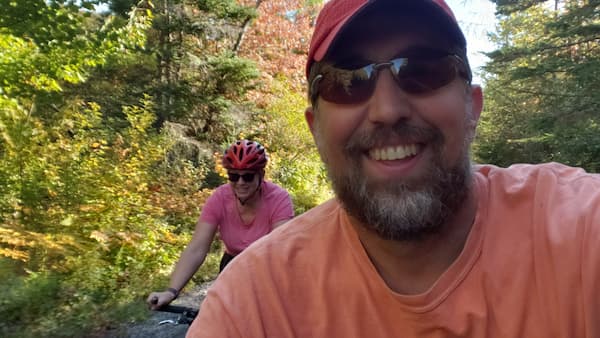
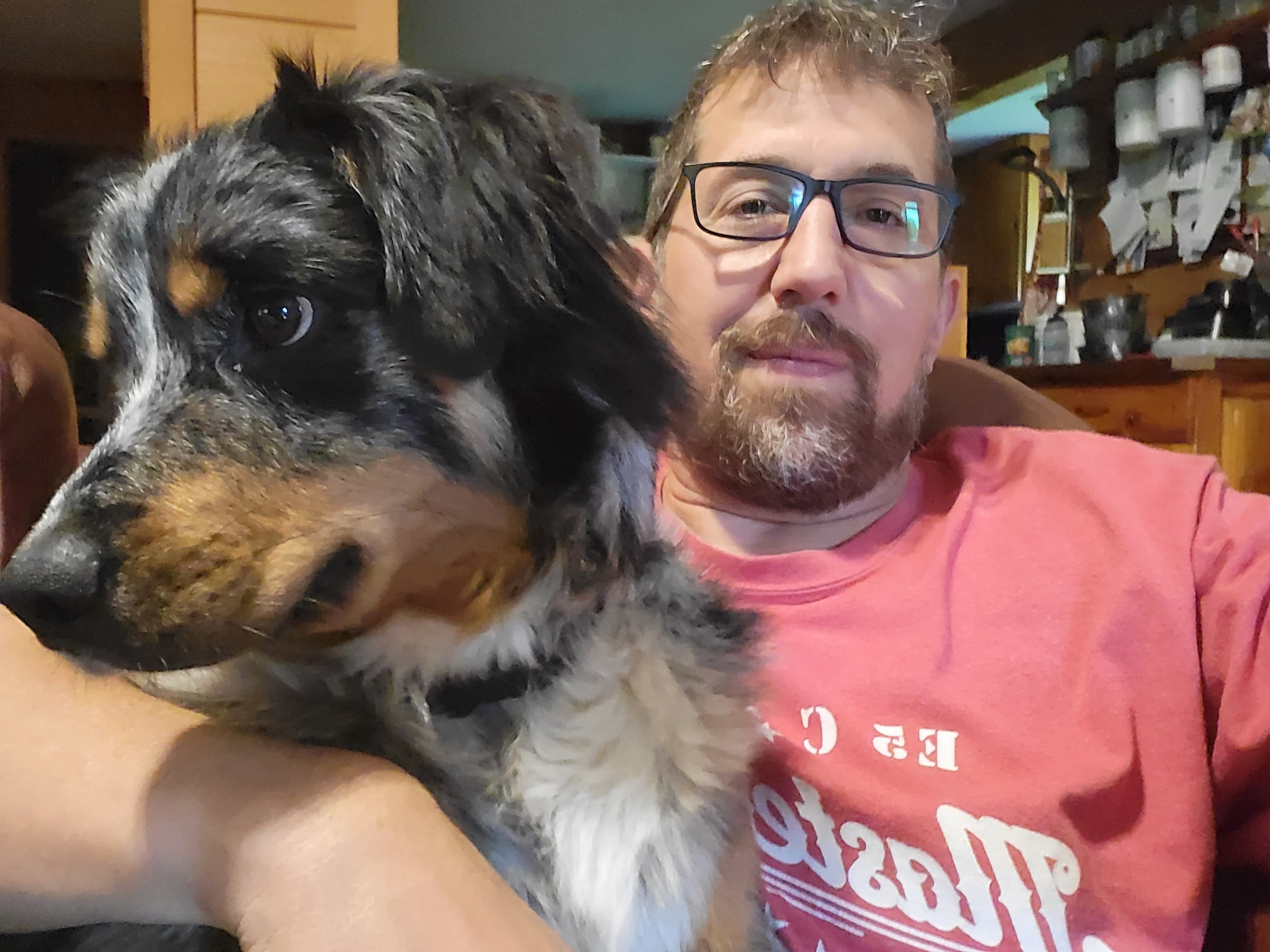
I continue to operate The Mad Trapper and grow The Ark’s outdoor education programs and Cliffside Cabin. I want time to ride my horses, play with my dogs, work on our property, and spend evenings at the Cliffside Camp with my wife, Monique.
That balance is not something I am waiting to earn after building a bigger agency. It is part of how I have chosen to build the business now.
Keeping my roster small means I can remain personally involved and give each client’s business the attention it deserves—without giving up the life my work is intended to support.
I do my best work with established founders, business operators, and managing partners who have built genuine expertise but suspect their digital presence does not communicate it clearly.
They are not looking for another marketing tactic or a stream of generic AI content. They want someone who will take the time to understand the business, identify where the message and authority are breaking down, and help fix the right problems in the right order.
If that sounds familiar, a 30-minute AI Visibility Audit is a practical place to begin.
I’ll look at how clearly your website and wider digital footprint explain what you do, who you help, and why your business should be trusted. I’ll identify the most important gaps I see and give you a clearer sense of what deserves attention first.
This is not a high-pressure sales call. If I believe I can help, I’ll explain what working together could look like. If I’m not the right fit, you will still leave with useful direction.
See whether AI can understand, trust, and recommend the business you have worked so hard to build.
© Empathic Marketing® is a registered trademark of Mike Caldwell.
All Rights Reserved.


